Understanding Dietary Support for Men's Well-being
Educational content only. No promises of outcomes.
Introduction to Male Nutritional Needs
Men's nutritional requirements are shaped by their unique physiology, lifestyle factors, and metabolic processes. Understanding these needs is essential for maintaining overall health and well-being throughout different life stages.
The foundation of good nutrition begins with recognizing which nutrients play vital roles in supporting energy, immune function, and general wellness. This section explores the fundamental principles that guide evidence-based nutritional science.

Key Vitamins for Men
Vitamins are essential organic compounds that support countless biological processes. Here are key vitamins of relevance to men's nutritional science.

Vitamin D
Vitamin D supports bone health, immune function, and mood regulation. Sources include fatty fish, egg yolks, mushrooms exposed to sunlight, and fortified dairy products.

B Complex Vitamins
B vitamins are crucial for energy metabolism and nervous system function. Found in whole grains, legumes, nuts, lean proteins, and leafy green vegetables.

Vitamin C
Vitamin C supports immune function and collagen formation. Rich sources include citrus fruits, berries, bell peppers, tomatoes, and cruciferous vegetables.
Important Minerals for Male Health
Minerals are inorganic nutrients that play essential roles in supporting bodily functions. Key minerals include zinc, magnesium, iron, and calcium, each contributing to different aspects of health.
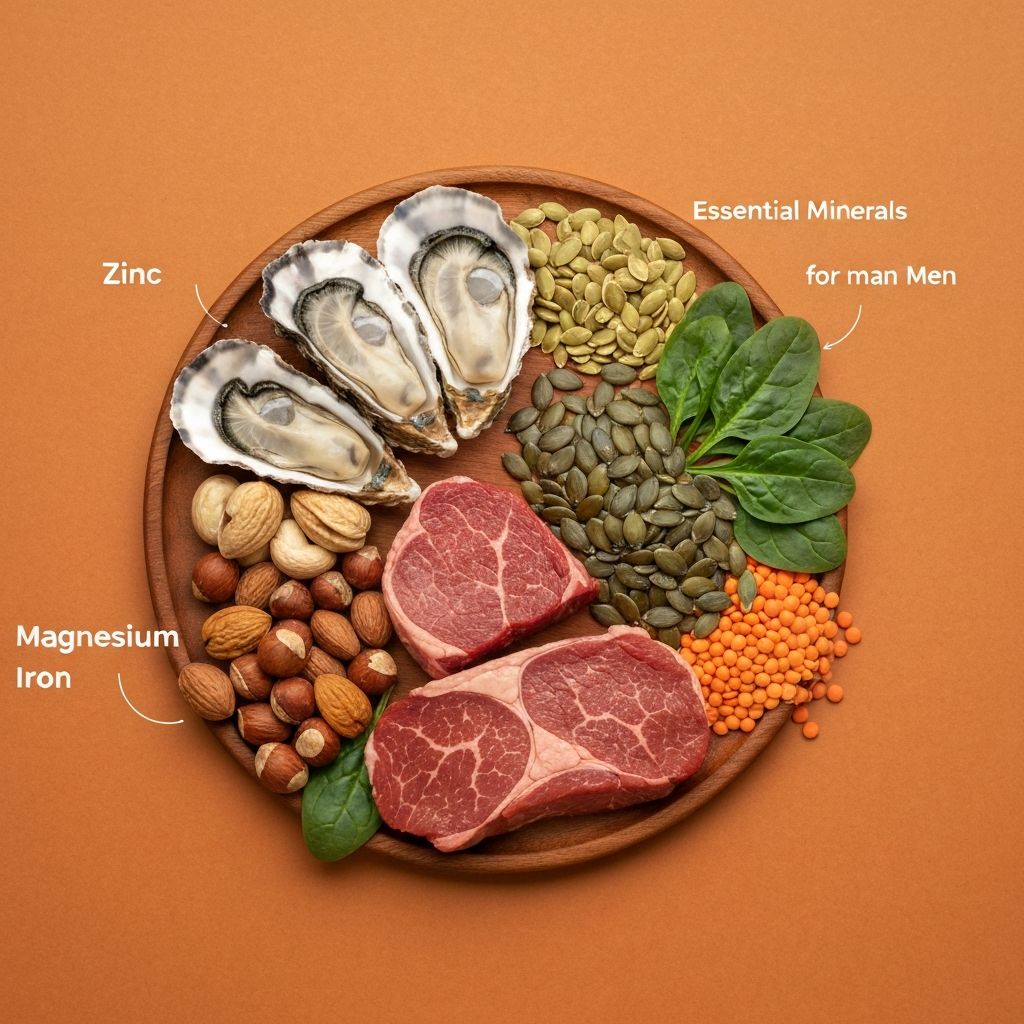
Zinc, Magnesium, and Iron
Zinc supports immune function and protein synthesis. Magnesium is involved in muscle function and energy production. Iron is essential for oxygen transport in the blood.
Natural sources include oysters and seafood (zinc), nuts and seeds (magnesium), and leafy greens and legumes (iron). A varied diet rich in whole foods typically provides adequate mineral intake.
Dietary Sources Explained
Understanding food categories and their nutritional composition helps in making informed dietary choices:
- Proteins: Essential amino acids found in meat, fish, eggs, legumes, and dairy products. Support muscle maintenance and repair.
- Whole Grains: Rich in fiber and B vitamins. Examples include oats, brown rice, quinoa, and whole wheat bread.
- Fruits and Vegetables: Provide vitamins, minerals, and phytonutrients. Variety ensures diverse nutrient intake.
- Healthy Fats: Found in nuts, seeds, avocados, and fatty fish. Support heart health and nutrient absorption.
- Dairy and Alternatives: Sources of calcium and protein. Include milk, yogurt, cheese, or fortified plant-based alternatives.
The Role of Phytonutrients
Phytonutrients are plant compounds that contribute to the colors, flavors, and aromas of plant foods. These compounds have been studied for their potential roles in supporting health and wellness.
Examples include flavonoids in berries, carotenoids in orange and red vegetables, and polyphenols in tea and coffee. Including a variety of colorful plant foods in your diet naturally increases phytonutrient intake.

Hydration and Well-being
Water is fundamental to all bodily functions. It regulates body temperature, transports nutrients, removes waste, and lubricates joints. Adequate hydration supports mental clarity, physical performance, and overall wellness.
General guidance suggests consuming enough water to maintain proper hydration throughout the day. Individual needs vary based on activity level, climate, and overall health. Thirst is a reliable indicator for most people, and consuming water-rich foods like fruits and vegetables also contributes to hydration.
Understanding Energy Metabolism
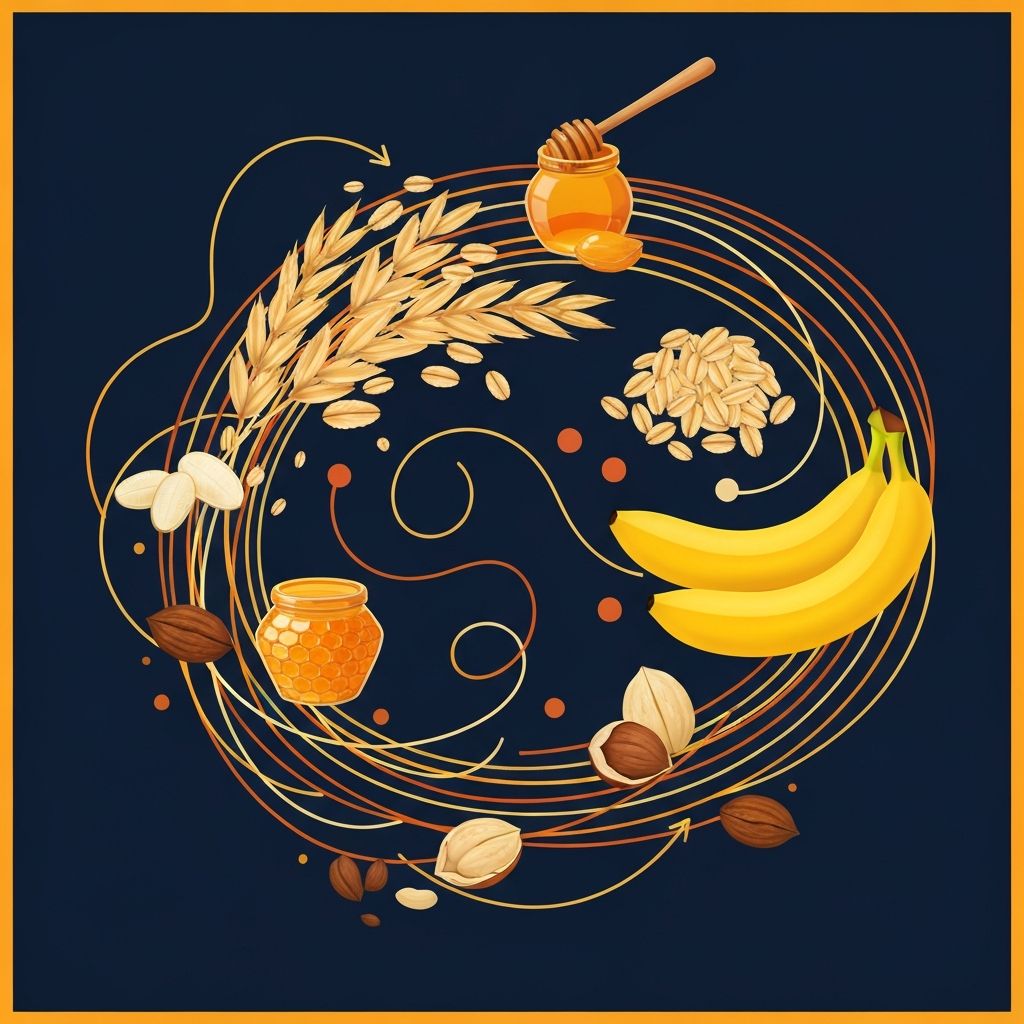
Energy metabolism refers to how the body converts food into usable energy (ATP). The three macronutrients—carbohydrates, proteins, and fats—each play distinct roles in this process.
Carbohydrates are the primary energy source, providing quick fuel. Proteins support muscle maintenance and metabolic function. Fats provide concentrated energy and support hormone production. Understanding these processes helps in making informed dietary choices.
Lifestyle Factors Beyond Diet
While nutrition is crucial, overall well-being depends on several interconnected factors:

Physical Activity
Regular movement supports cardiovascular health, muscle strength, and mental well-being. Even light to moderate activity like walking provides significant benefits.
Sleep Quality
Adequate sleep supports recovery, hormone regulation, and cognitive function. Most adults benefit from 7-9 hours of quality sleep per night.
Stress Management
Chronic stress can impact digestion and overall health. Practices like meditation, relaxation techniques, and hobbies support emotional well-being.
Nutritional Myths Debunked
Evidence-based nutrition science regularly clarifies misconceptions. Some common myths include beliefs about specific "superfoods," extreme dietary restrictions, or rapid dietary changes. In reality, sustainable health comes from consistent, balanced eating habits and lifestyle practices rather than dramatic interventions.
Scientific research continues to evolve our understanding of nutrition. What remains constant is the importance of varied, whole foods, adequate hydration, and consistent healthy habits.
Balanced Eating Principles
Evidence-based nutrition emphasizes balance and variety over restriction:

Key Principles:
- Include all food groups in appropriate proportions
- Choose whole foods over processed alternatives when possible
- Maintain consistent eating patterns
- Practice portion awareness without obsessive counting
- Stay hydrated throughout the day
- Allow flexibility and enjoyment in food choices
Digestive Health Fundamentals
The digestive system breaks down food and absorbs nutrients. Supporting digestive health involves eating mindfully, including adequate fiber from whole grains and vegetables, staying hydrated, and maintaining regular physical activity.
Fiber from various sources supports digestive function, maintains healthy cholesterol levels, and contributes to overall wellness. Most adults benefit from consistent fiber intake from vegetables, fruits, whole grains, and legumes.
Antioxidants in Diet
Antioxidants are compounds found in plant foods that support cellular health. Common antioxidants include vitamins C and E, selenium, and various phytonutrients. These compounds are abundant in colorful vegetables, fruits, nuts, and whole grains.
Rather than focusing on individual antioxidants, consuming a diverse diet rich in whole plant foods naturally provides comprehensive antioxidant support. The synergistic effects of various compounds in whole foods exceed what isolated supplements can provide.